(843) 829-7123
CLICK TO CALL

Land clearing, a critical phase in land development, involves removing trees, bushes, debris, and other obstacles from a property. This process is pivotal in transforming landscapes in South Carolina and preparing sites for construction and other commercial uses. Effective land clearing techniques in South Carolina facilitate smooth development projects and ensure the land meets regulatory standards and sustainability goals. Explore our Comprehensive Guides to Land Clearing for more insights on these techniques.
At King Land Clearing, we specialize in various methods tailored to meet the unique needs of each project, promoting efficient and environmentally responsible land clearing services in SC. Understanding these methods and their strategic implementation helps mitigate potential environmental impacts, reduce costs, and ensure timely project completion.
Land clearing services in SC are indispensable for several key sectors:
In line with environmental stewardship, our services incorporate sustainable land clearing techniques in South Carolina, including:
Defining land clearing involves not only the mere removal of land cover but also preparing it for specific end-use. For agricultural expansion, real estate development, or public infrastructure projects, clearing land is the first critical step in transforming an undeveloped plot into a valuable asset.
Visit our About Us page to learn more about our commitment to excellence in land clearing services across South Carolina. Our expertise supports multiple sectors:
Our approach to land clearing in South Carolina is comprehensive, incorporating:
King Land Clearing adheres to the highest industry standards by integrating these practices and techniques. It ensures that every land-clearing project is approached with an eye toward sustainability and effectiveness. Our commitment to providing top-tier land clearing services in SC makes us a preferred partner for commercial developers and environmental agencies.

Exploring effective land clearing techniques in South Carolina reveals various methods tailored to diverse environmental and project requirements. At King Land Clearing, we specialize in manual, mechanical, and chemical clearing techniques, each serving a unique purpose and benefiting different land projects.
This is the most traditional form of land clearing, involving hands-on techniques and smaller tools. Manual clearing is often preferred for smaller projects or in environmentally sensitive areas where precision is paramount. Key aspects include:
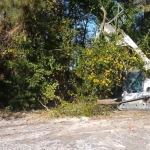
Mechanical clearing is suitable for large-scale land clearing projects in South Carolina and involves heavy machinery that can quickly clear large areas. This method is efficient and cost-effective for extensive land development tasks.
Chemical clearing is used less frequently due to environmental considerations, as it involves the application of herbicides to remove unwanted vegetation. This method is typically used as a supplementary technique, especially in controlling invasive species or preparing sites for replanting.
Discover more about our specialized forestry mulching services in South Carolina, a preferred mechanical technique that mulches vegetation on-site, returning nutrients directly to the soil.
Selecting the appropriate land clearing technique involves several factors that can impact both the efficiency of the project and its environmental footprint. In South Carolina, where land values and ecological concerns are high, making the right choice is crucial.
When determining how to clear land in SC, consider the following key factors:
For guidance on the best methods available near you, explore our comprehensive solutions for land clearing near me in South Carolina. Here, you'll find insights into choosing an exemplary service matching your land development needs.
By understanding these various land clearing methods and considering the right factors for selection, developers and equipment operators can achieve optimal results, ensuring that every land clearing project in SC is conducted efficiently, responsibly, and effectively.

Efficient land clearing requires the right tools and equipment, especially in South Carolina, where terrain and vegetation vary widely. At King Land Clearing, we utilize a comprehensive range of tools, from heavy machinery to smaller hand tools, ensuring that every project is handled with the utmost precision and effectiveness.
Heavy machinery is crucial for large-scale land clearing operations, offering speed and efficiency that manual labor cannot match. Here’s an overview of the common types of heavy machinery used in our land clearing services in SC:
Discover more about our advanced machinery and see these tools at our excavation services page, where we detail our capabilities for efficient site preparation and land clearing.
For smaller projects or fine-tuned clearing tasks, manual tools are indispensable. These tools allow for precision and care, reducing the impact on the environment and surrounding landscape, which is crucial in ecologically sensitive areas. Here’s a look at some of the smaller tools used:
For specialized needs, such as tree removal services often accompanying land clearing projects in SC, visit our tree removal services page. Here, you can learn about our tools and techniques to safely and effectively remove trees.
These tools, both large and small, are integral to how to clear land in SC, ensuring that each project meets the unique demands of the terrain and the specific goals of our clients. By employing a range of equipment, King Land Clearing is equipped to handle any land-clearing challenge in South Carolina, providing professional and efficient services tailored to the needs of commercial developers and equipment operators.
Successful land clearing projects in South Carolina hinge on meticulous planning and execution. By adhering to a structured process, we ensure that South Carolina's land-clearing techniques meet client expectations and regulatory requirements efficiently and sustainably.
Effective planning and execution of a land-clearing project involve several critical steps:
For more information or to initiate a project consultation, please visit our Contact Us page.
A thorough site assessment is a cornerstone of any land-clearing operation, particularly for land-clearing services in SC. This crucial step ensures that every aspect of the project is planned with an understanding of the physical and environmental characteristics of the site.
Learn more about how we incorporate site assessments into our projects through our forestry mulching services, which also help in soil conservation and ecosystem preservation.
Developing a strategy for executing land clearing operations is vital for maximizing efficiency and minimizing environmental impact.
For detailed strategies tailored to specific project needs, explore our services on land grading and site preparation. This link provides insight into how we prepare the land post-clearing for construction or other developments.
Each step of planning and execution is designed to optimize how to clear land in SC, ensuring that the techniques not only expedite development but also preserve the integrity and value of the land.
By strategically planning and meticulously executing, King Land Clearing consistently delivers top-tier results for commercial developers and equipment operators in South Carolina.
For guidance on planning and executing land clearing projects, check out the resources available at Project Management Institute, which offer strategies to ensure project success from initiation to closure.
The environmental impact of land clearing in South Carolina is significant, affecting everything from local ecosystems to soil stability. At King Land Clearing, we prioritize sustainable practices and methods to minimize these impacts, ensuring our land clearing services in SC are not only effective but also environmentally responsible.
Understanding the environmental consequences of land clearing is crucial for mitigating negative effects:
For a detailed breakdown of the costs associated with environmentally responsible land clearing, visit our page on the cost of land clearing in South Carolina.
Controlling erosion is critical to land clearing, particularly in areas prone to heavy rains and slopes. Here are effective techniques we use:
Learn more about integrating these practices with our stump removal services, contributing to smoother land surfaces and reducing erosion risks.
Protecting wildlife and maintaining biodiversity is integral to our land-clearing techniques in South Carolina. Here’s how we address these concerns:
For insights into how these practices affect the overall cost and planning of land clearing, check out our information on cost to clear land.
King Land Clearing is dedicated to providing top-quality land clearing services in SC that are effective and conscientiously planned to protect the environment. Integrating advanced techniques, thorough planning, and environmental safeguards ensures that each project is executed precisely and responsibly.
Our commitment to excellence and sustainability makes us a leader in land clearing techniques in South Carolina, helping commercial developers and equipment operators achieve their development goals with minimal environmental impact.
What is the best tool to clear land?
The best tool for clearing land can vary depending on the specifics of the project, but for large-scale operations, heavy machinery like bulldozers and excavators provided by King Land Clearing are highly effective. For smaller or more sensitive areas, manual tools such as chainsaws or brush cutters may be more appropriate. King Land Clearing offers a range of equipment to suit different land clearing needs in South Carolina.
What is the process of clearing land called?
The process of clearing land is commonly referred to as land clearing or site preparation. At King Land Clearing, we specialize in comprehensive guides to land clearing that detail each step of the process, ensuring that land is prepared efficiently and meets all regulatory and environmental standards.
Which technique is used to clear land for farmland?
The technique most commonly used to clear land for farmland is mechanical clearing, which involves using machinery like tractors with bush hogs or forestry mulchers. King Land Clearing provides specialized services such as forestry mulching, which is effective for converting overgrown areas into arable land, promoting better soil health and quicker land usability.
What is the cheapest method of clearing land?
The cheapest method of clearing land typically involves manual labor and simple tools such as axes and saws. However, for larger areas, this method can be time-consuming and physically demanding. At King Land Clearing, we recommend assessing the specific requirements of your project through our consultation services to find a cost-effective and efficient method that also considers the long-term usability of the land.
What machine clears overgrown land?
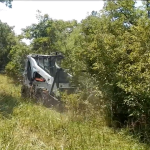
For clearing overgrown land, machines like skid steers equipped with forestry mulcher attachments are highly effective. These machines can quickly cut and mulch dense vegetation, making them ideal for preparing overgrown areas for development or farming. King Land Clearing offers a variety of machines equipped to handle different degrees of vegetation overgrowth, ensuring optimal land clearing with professional results.

Co-owner of King Land Clearing, a leading provider of land clearing and land management services. With years of experience in the industry, James is passionate about sustainable land development and dedicated to helping clients achieve their project goals efficiently. When he's not managing operations, James enjoys writing about the latest trends in land clearing and sharing insights from his extensive fieldwork.