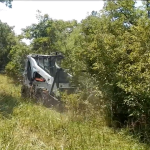
Comprehensive Post Clearing Land Maintenance for Columbia, SC
Maintaining land after clearing is crucial for ensuring sustainability and long-term benefits. Proper land management helps prevent soil degradation, erosion, and loss of fertility, which are common issues post-clearing Land Maintenance. Sustainable land management practices, such as soil conservation, reforestation, and erosion control, enhance the land’s productivity and contribute to environmental preservation.
Landowners and property developers in Columbia, SC, can balance development needs and ecological health by focusing on these aspects. Conducting a thorough land assessment evaluates the cleared area to understand its current state and identify potential issues.
At King Land Clearing, we emphasize the importance of sustainable post-clearing processes to ensure your land remains viable and productive.
Key Takeaways
Post-clearing land maintenance is essential for long-term productivity and environmental health.
Thorough assessment after land clearing includes soil quality evaluation and erosion risk identification.
Regular soil testing and erosion control measures are vital for maintaining soil fertility and stability.
Reforestation strategies using native species and effective planting techniques restore natural habitats.
Efficient water management through irrigation systems and rainwater harvesting supports plant growth and prevents erosion.
Understanding and complying with legal and environmental regulations is crucial for responsible land management.
Conducting environmental impact assessments ensures activities align with sustainability goals.
Regular monitoring and maintenance, including soil and vegetation health checks, sustain land health and productivity.
Following these practices ensures successful and sustainable post-clearing land maintenance, promoting ecological balance.
Initial post-clearing assessment
After land clearing, it is essential to conduct a thorough assessment to identify the necessary maintenance actions. This involves:
Land assessment: Evaluating the cleared area to understand its current state and identify potential issues.
Post-clearing inspection: Inspecting for any remaining debris, uneven surfaces, or other hazards that may need attention.
Land maintenance needs: Determining specific maintenance actions such as soil improvement, erosion control, and vegetation management.
Property evaluation: Assessing the land’s suitability for its intended use, whether for agriculture, construction, or other purposes.
At King Land Clearing, we provide comprehensive land grading site preparation and excavation services to ensure your land is ready for its next phase of development.
Soil quality evaluation
Assessing the soil quality post-clearing land maintenance is vital to plan for necessary improvements. Healthy soil is the foundation for sustainable land use. Here’s how to evaluate and enhance soil quality:
Soil health: Conduct soil testing to measure nutrient levels, pH balance, and organic matter content.
Soil testing: Use professional soil testing services to get accurate results. Regular testing helps monitor soil fertility and make informed decisions about amendments.
Soil fertility: Based on the test results, apply appropriate fertilizers and organic matter to improve soil fertility.
Land improvement: Implement practices such as cover cropping and mulching to protect and enhance soil quality.
Erosion is a significant risk after land clearing. Identifying potential erosion areas and implementing preventive measures is crucial for maintaining land stability. Here’s how to manage erosion risks:
Erosion risks: Evaluate the land for signs of erosion, such as exposed soil, rills, and gullies.
Erosion prevention: Use erosion control methods like silt fences, erosion control blankets, and retaining walls.
Land stability: Planting ground cover and using mulching techniques can help stabilize the soil and prevent erosion.
Soil erosion control: Implement contour farming and terracing on sloped land to manage water flow and reduce erosion.
Our forestry mulching service is an effective way to manage vegetation and control erosion. Additionally, our tree removal services help clear unwanted trees that may contribute to erosion risks.
By following these steps and utilizing our services, landowners and property developers in Columbia, SC, can effectively manage post-clearing land maintenance, ensuring their land remains healthy, productive, and sustainable.
Reforestation strategies
Reforestation is vital for restoring natural habitats and improving land stability after clearing. Effective reforestation methods ensure that the cleared land becomes a thriving ecosystem once again. Here are some key strategies:
Tree planting: Begin by selecting appropriate sites for planting trees to ensure they have enough space to grow without competing for resources.
Habitat restoration: Focus on restoring the natural habitats by planting a diverse mix of species that mimic the original ecosystem.
Land stabilization: Trees and vegetation play a crucial role in stabilizing the soil, reducing erosion, and improving water retention.
For more information on local reforestation efforts, check out land clearing near me in South Carolina.
Selecting native species
Choosing native plant species is essential for successful reforestation. Native plants are well-suited to the local environment and conditions, which makes them more likely to thrive. Here are guidelines for selecting native species:
Native species: Select plants that are indigenous to Columbia, SC. These species are adapted to the local climate and soil conditions, making them more resilient.
Local vegetation: Incorporate a variety of local vegetation to create a balanced and sustainable ecosystem.
Plant selection: Choose species that will fulfill various ecological roles, such as providing food and shelter for wildlife.
Ecological balance: Ensure that the selected plants contribute to the overall ecological balance of the area.
For assistance in selecting native species, visit our about us page or contact us for expert advice.
Planting techniques
Effective planting techniques are crucial for the growth and establishment of new trees and vegetation. Here’s how to ensure successful planting:
Planting methods: Use methods that promote root growth and ensure the plants are well-supported. This may include staking young trees and using mulch to retain moisture.
Tree planting: Space trees adequately to avoid overcrowding and competition for resources. Plant at the correct depth to encourage strong root development.
Vegetation growth: Provide adequate water and nutrients during the initial growth phase to support the young plants.
Land restoration: Continuously monitor and manage the new vegetation to ensure it integrates well into the ecosystem.
Implementing sustainable practices for land use is essential for the long-term health and productivity of cleared land. These practices protect the environment and ensure that the land remains viable for future use. Key sustainable practices include:
Sustainable practices: Adopt methods that minimize environmental impact, such as reducing chemical use and promoting biodiversity.
Land use: Plan land use carefully to balance development needs with ecological preservation.
Long-term productivity: Implement practices that maintain soil health and fertility over time.
Eco-friendly methods: Use organic fertilizers and natural pest control to reduce reliance on synthetic chemicals.
At King Land Clearing, we prioritize sustainable practices in all our projects to ensure the best outcomes for our clients and the environment.
Crop rotation and agroforestry
Crop rotation and agroforestry are effective, sustainable land use practices that enhance soil health and productivity. Here’s how they benefit your land:
Crop rotation: Rotating crops helps prevent soil depletion and reduces pest and disease cycles. It promotes healthier soil and increases yields.
Agroforestry: Integrating trees and shrubs into agricultural systems improves biodiversity, reduces erosion, and enhances land productivity.
Sustainable agriculture: Both practices contribute to sustainable agriculture by maintaining soil structure and fertility.
Soil conservation: These methods help conserve soil, making it more resilient to erosion and other forms of degradation.
Organic farming methods
Organic farming methods are essential for enhancing soil health and reducing environmental impact. They include:
Organic farming: Avoid using synthetic fertilizers and pesticides. Instead, use natural alternatives to promote a healthy ecosystem.
Soil enhancement: Add organic matter, such as compost and manure, to improve soil structure and fertility.
Eco-friendly farming: Implement cover cropping and reduced tillage to protect the soil.
Sustainable agriculture: Organic farming supports sustainable agriculture by preserving soil health and reducing pollution.
By following these strategies, landowners and property developers in Columbia, SC, can ensure successful post-clearing land maintenance, promoting sustainability and long-term productivity.
Erosion control measures
Controlling and preventing erosion on cleared land is essential to ensure stability and protect the soil. Here are several effective erosion control measures:
Erosion control: Implement silt fences, erosion control blankets, and retaining walls to prevent soil movement.
Soil protection: Use vegetation, such as grass and shrubs, to anchor the soil and reduce erosion.
Land stability: Enhance stability by planting trees and using techniques that promote root growth, which helps hold the soil together.
Erosion prevention methods: Contour farming, terracing, and other land management practices can significantly reduce erosion.
At King Land Clearing, we offer forestry mulching, an excellent method for managing vegetation and controlling erosion. Additionally, our bush-hogging services help clear land efficiently while minimizing erosion risks. For more localized information, see land clearing near me in South Carolina.
Mulching and ground cover
Mulching and ground cover plants effectively protect soil from erosion and retain moisture. Here’s how:
Mulching: Apply a layer of mulch over the soil to protect it from rain's impact and reduce water evaporation. Mulching helps retain soil moisture and improves fertility by adding organic matter as it decomposes.
Ground cover plants: Plant ground cover species that spread quickly and cover the soil, such as clover or creeping thyme. These plants help stabilize the soil and prevent erosion.
Soil moisture retention: Mulch and ground cover plants are excellent for retaining moisture, essential for plant growth and soil health.
Erosion protection: Both mulching and ground cover plants provide a protective barrier against erosion.
Our tree removal services efficiently clear unwanted trees, and our stump removal service helps prepare the land for new plantings.
Contour farming and terracing
Contour farming and terracing are effective techniques for managing water flow and reducing erosion on sloped land:
Contour farming: Planting along the contours of the land helps slow water runoff and allows more time for the water to infiltrate the soil.
Terracing: Creating terraced levels on sloped land can significantly reduce erosion by breaking the slope into smaller, manageable sections. Each terrace acts as a barrier that slows down water flow.
Water management: These techniques help manage water distribution and prevent excessive runoff, which can cause erosion.
Slope erosion control: Contour farming and terracing are essential for controlling erosion on sloped land, ensuring long-term land stability.
Effective water management is crucial for supporting plant growth and preventing erosion on post-cleared land. Here are some strategies:
Water management: Implement systems that distribute water efficiently across the land to ensure adequate plant hydration.
Irrigation: Use irrigation systems to provide controlled amounts of water to plants, especially during dry periods.
Water conservation: Employ methods that minimize water waste and enhance soil moisture retention.
Plant hydration: Ensure plants receive enough water to thrive without causing soil erosion or waterlogging.
For more information, contact us for expert advice and services. Our excavation services can help prepare the land for effective water management systems.
Irrigation systems
Different irrigation systems can be used based on the type of cleared land and its specific needs:
Irrigation systems: Drip, sprinkler, and surface irrigation are common methods. Drip irrigation delivers water directly to the roots, reducing evaporation and runoff.
Water distribution: Choose an irrigation system that ensures even water distribution across the land.
Land irrigation: Tailor irrigation methods to suit the topography and soil type of the cleared land.
Plant watering techniques: Use sufficient water without causing soil erosion.
For more details, visit our guide on environmental considerations, best practices and our land grading and site preparation services.
Rainwater harvesting
Rainwater harvesting is a sustainable method of water management that can significantly benefit post-cleared land:
Rainwater harvesting: Collecting and storing rainwater helps reduce reliance on external water sources and ensures water supply during dry periods.
Water conservation: Harvesting rainwater conserves water by using a free, natural resource.
Sustainable water use: Utilize harvested rainwater for irrigation, reducing the environmental impact and lowering water costs.
Eco-friendly irrigation: Rainwater is free from chemicals and pollutants, making it ideal for eco-friendly irrigation.
Our forestry mulching and bush hogging services can help prepare your land for efficient rainwater harvesting systems.
By implementing these measures, landowners and property developers in Columbia, SC, can effectively manage post-clearing land maintenance, ensuring the land remains stable, productive, and sustainable.
Monitoring and maintenance
Regular monitoring and maintenance are crucial for the long-term success of post-clearing land management strategies. These activities help ensure the land remains productive, stable, and environmentally sound. Here’s why monitoring and maintenance are essential:
Land monitoring: Continuously observe the land to identify any issues early on. This includes checking for signs of erosion, pest infestations, and other potential problems.
Maintenance schedule: Develop and adhere to a schedule that includes regular inspections and necessary interventions. This ensures that all aspects of the land are maintained consistently.
Long-term land management: Implement strategies that promote the long-term health and productivity of the land. This includes soil conservation, vegetation management, and erosion control.
Property upkeep: Regular maintenance helps keep the property in good condition, enhancing its value and usability.
Regular soil testing
Soil testing is a fundamental part of post-clearing land maintenance. It helps monitor nutrient levels and overall soil health, ensuring the land remains fertile and productive. Here’s how to conduct regular soil testing:
Soil testing: Collect soil samples from different areas of the cleared land and send them to a laboratory for analysis to determine nutrient levels, pH balance, and organic matter content.
Nutrient levels: The test results will indicate the levels of essential nutrients in the soil. This information is critical for deciding on any necessary soil amendments.
Soil health: Regular soil testing helps track changes in soil health over time, allowing for timely interventions if needed.
Land quality: Maintaining high soil quality is essential for long-term productivity. Regular testing ensures that any issues are identified and addressed promptly.
Regular health checks of vegetation are vital to identify and address issues promptly. Healthy vegetation contributes to soil stability, erosion control, and land productivity. Here’s how to conduct effective vegetation health checks:
Vegetation health: Inspect plants regularly for signs of disease, pest infestations, and nutrient deficiencies. Look for changes in color, leaf drop, or other abnormal growth patterns.
Plant care: Provide necessary care to the plants, such as watering, fertilizing, and pruning. This helps maintain their health and promotes robust growth.
Regular checks: Schedule regular inspections to catch any problems early. This proactive approach ensures that minor issues do not escalate into major problems.
Land maintenance: Healthy vegetation is a key component of effective land maintenance. It helps prevent erosion, improves soil health, and enhances the property's overall appearance.
For expert assistance in managing vegetation health, consider our tree removal services. We can help you maintain a balanced and healthy ecosystem on your land.
By incorporating these strategies into your post-clearing land maintenance plan, landowners and property developers in Columbia, SC, can ensure their land remains healthy, productive, and sustainable for the long term.
Legal and environmental considerations
Understanding and adhering to relevant laws and regulations is crucial in the context of post-clearing land maintenance. These laws protect the environment and ensure sustainable land management practices.
The Clean Water Act (CWA): Administered by the Environmental Protection Agency (EPA), the CWA establishes the basic structure for regulating discharges of pollutants into the waters of the United States and regulating quality standards for surface waters. Landowners need to comply with the CWA to avoid penalties and ensure water quality is maintained. For more details, see the summary of the Clean Water Act.
The Endangered Species Act (ESA): This federal law provides a program for conserving threatened and endangered plants and animals and their habitats. Compliance with the ESA ensures that land clearing activities do not harm protected species. For an overview, refer to the Endangered Species Act.
Local regulations
In Columbia, SC, several local laws and regulations impact land maintenance and environmental protection. It is essential to be aware of these regulations to ensure compliance and avoid legal issues.
Columbia zoning ordinances: These local laws outline the types of structures and uses allowed in different city areas. They regulate lot size, building height, and the placement of buildings on lots. Compliance with zoning ordinances ensures that land use is appropriate for the designated area. For more information, visit the City of Columbia Zoning Ordinances.
Stormwater management ordinance: This local law requires that post-development stormwater runoff rates and volumes not exceed pre-development conditions. It includes erosion and sediment control requirements during construction, which are crucial for post-clearing land maintenance. For more details, refer to the Stormwater Management Ordinances.
Environmental impact assessments
Conducting an Environmental Impact Assessment (EIA) after land clearing is important for understanding the potential environmental effects of the project. The National Environmental Policy Act (NEPA) requires federal agencies to assess the environmental impacts of their proposed actions before making decisions.
Environmental impact assessments: EIAs help identify potential environmental impacts and propose measures to mitigate them. This process ensures that land management practices are sustainable and environmentally friendly.
National Environmental Policy Act (NEPA): NEPA mandates that federal agencies evaluate the environmental effects of their actions. Understanding NEPA guidelines is essential for landowners involved in activities that may require federal approval. For more information, see What is the National Environmental Policy Act?.
It is important to note that laws and regulations are subject to change and may vary depending on the specific location and context. Always consult with local authorities or legal experts to ensure compliance with all relevant regulations.
Conclusion
Sustainable and effective land maintenance practices are vital for ensuring long-term productivity and environmental health following land clearing. For landowners and property developers in Columbia, SC, a thorough post-clearing assessment is the first step, which includes evaluating soil quality and identifying erosion risks. Regular soil testing, implementing erosion control measures, and employing reforestation strategies with native species are crucial for maintaining soil fertility and stability. Effective water management through appropriate irrigation systems and rainwater harvesting supports plant growth and prevents erosion. Additionally, understanding and complying with relevant legal and environmental regulations is essential to responsible land management. Conducting environmental impact assessments ensures that all activities align with sustainability goals. Regular monitoring and maintenance, including soil testing and vegetation health checks, further sustain the land’s health and productivity. By adhering to these practices, landowners and property developers can achieve successful and sustainable post-clearing land maintenance, ensuring the land's long-term viability and ecological balance.
Frequently Asked Questions about Post Clearing Land Maintenance in Columbia, SC
What to do after land is cleared?
After land is cleared, conducting a thorough assessment is essential to identify necessary maintenance actions. At King Land Clearing in Columbia, SC, we recommend evaluating soil quality, identifying erosion risks, and planning for reforestation. Implementing effective Post Clearing Land Maintenance practices ensures long-term land stability and productivity.
What to do after clearing a brush?
After clearing brush, it’s crucial to manage the cleared area properly. King Land Clearing suggests applying mulch to retain soil moisture and prevent erosion. Additionally, consider planting ground cover plants to stabilize the soil. Regular Post Clearing Land Maintenance will help maintain the cleared area and prevent unwanted regrowth.
What to plant after clearing land?
Planting native species is highly recommended after clearing land. These plants are well-suited to the local environment and promote ecological balance. King Land Clearing in Columbia SC can help you choose the right native species for your reforestation efforts as part of your Post Clearing Land Maintenance strategy.
What is the process of clearing land called?
The process of clearing land is called land clearing. It involves removing trees, brush, stumps, and other obstacles to prepare the land for future use. King Land Clearing specializes in efficient and environmentally responsible land clearing and Post Clearing Land Maintenance in Columbia SC.
Will brush grow back?
Yes, brush can grow back if not managed properly. To prevent this, King Land Clearing recommends regular Post Clearing Land Maintenance, including mulching, applying ground cover, and monitoring the area for regrowth. Proper maintenance ensures that the cleared land remains usable and free from unwanted vegetation.
Share
Author: James Coyle
Co-owner of King Land Clearing, a leading provider of land clearing and land management services. With years of experience in the industry, James is passionate about sustainable land development and dedicated to helping clients achieve their project goals efficiently. When he's not managing operations, James enjoys writing about the latest trends in land clearing and sharing insights from his extensive fieldwork.